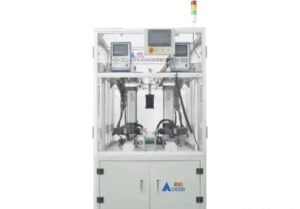
“During the use of spot welding machines, it is quite common for lithium battery spot welds to be weak. To solve this problem, we must first understand what causes such faults.”
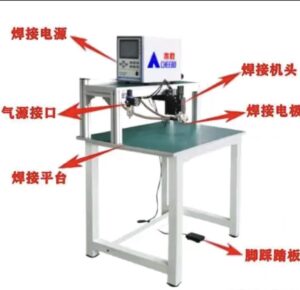
1. Insufficient weld strength:
Check whether the electrode pressure is too low and whether the electrode rod is properly tightened.
Check whether the welding energy is too low, and whether the workpiece and electrode are severely rusted, causing poor contact at the weld point.
Check whether there is excessive oxidation between the electrode tip and electrode rod, and between the electrode rod and electrode arm.
2. Excessive spatter during welding:
Check whether the welding tip is oxidized or whether the welding metal is rusted, leading to poor contact.
Check whether the electrode pressure is too low and whether the welding program settings are correct.
Check whether the welding current is too high or too low.
3. Power indicator is on, but the workpiece is pressed without welding:
Check whether the foot switch is properly connected and in good contact.
Check whether the pressure rod spring screw is properly adjusted.
4. Severe indentation and extrusion at the weld point:
Check whether the current is too high.
Check whether the workpiece surface is uneven.
Check whether the electrode pressure is too high.
5. Incomplete weld penetration, poor or no weld nugget formation:
Incomplete penetration means that during spot welding, no “nugget”-like structure is formed. This is very dangerous and can greatly reduce welding strength.
If parameters are confirmed to be correct, check the main power supply, whether the power is sufficient, and whether the welding transformer is damaged, etc.