
In the lithium battery PACK assembly process, welding is one of the most critical steps that determines product quality. Whether it is tab welding for cylindrical lithium batteries or cell connections in energy storage systems and electric vehicle battery packs, welding quality directly affects the consistency, safety, and service life of lithium batteries.
Many manufacturers involved in lithium battery production are often troubled by issues such as weak welding, false welding, and inconsistent internal resistance. High rework rates remain a constant challenge, yet many still do not fully understand how lithium battery welding machines actually work or how to consistently ensure welding quality.
Today, we will explain the core principles in simple and practical language, helping you avoid common welding problems and maintain the quality standards required in lithium battery production. 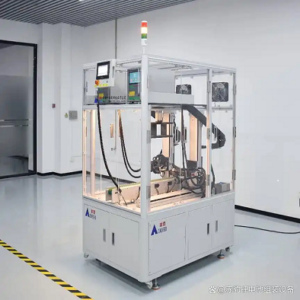
1. A Simple Explanation: The Working Principle of Lithium Battery Welding Machines Is Not as Complicated as You Think
Unlike ordinary metal welding, lithium battery welding requires extremely high precision in temperature, pressure, and energy control. The welding process must create a strong connection between tabs and nickel strips, or between battery cells, while also preventing excessive heat from damaging the internal structure of the lithium battery, which could lead to cell swelling, electrolyte leakage, or even complete failure.
The core working principle of a lithium battery welding machine is essentially “using precisely controlled energy to achieve atomic bonding between metal surfaces.” Today’s mainstream lithium battery welding machines, mainly ultrasonic welding machines and laser welding machines, each have different technical characteristics, but their core concept is the same: precise energy control with efficient low-temperature welding.
For ultrasonic welding machines, which are widely used in cylindrical lithium battery assembly, the working principle is based on high-frequency vibration (usually 20–40kHz). The vibration generates frictional heat on the contact surface between the battery tab and nickel strip, instantly removing the metal oxide layer and allowing metal atoms to penetrate and bond with each other, forming a strong weld joint.
The entire process is fast and efficient, while the welding temperature remains relatively low (generally below 150°C). This helps protect lithium battery cells from heat damage and makes ultrasonic welding especially suitable for the thin and delicate tabs used in cylindrical lithium batteries.
Laser welding machines, on the other hand, use a focused laser beam to concentrate energy directly onto the welding area, instantly melting the metal to achieve highly precise welding. Their main advantages are high welding accuracy and fast welding speed, making them ideal for high-density cylindrical lithium battery assembly. Laser welding can effectively reduce weak welding and false welding problems, and it is particularly suitable for high-power lithium battery packs used in energy storage systems and electric vehicles.
No matter which type of welding machine is used, the core mission of a lithium battery welding machine remains the same: to achieve strong, stable, and consistent welds without damaging the lithium battery, thereby providing a solid foundation for battery quality and reliability. 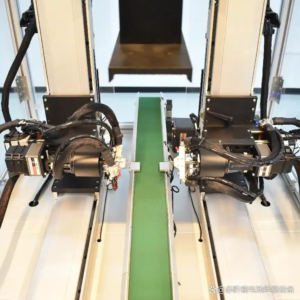
2. The Core Key: Four Critical Points to Ensure Lithium Battery Welding Quality and Reduce Rework Losses
Once you understand the working principle of lithium battery welding machines, it becomes clear that the key to welding quality lies in “precise control” — controlling energy, pressure, cleanliness, and equipment stability.
Many welding problems in lithium battery production are not caused by poor equipment, but by incorrect operation methods and inadequate process control. By focusing on the following four points, manufacturers can significantly improve welding qualification rates while reducing rework and material loss.
1. Precisely Match Welding Parameters to Lithium Battery Characteristics
Different cylindrical lithium battery models, such as 18650 and 21700 cells, as well as different tab materials like nickel strips and copper strips, require completely different welding energy, pressure, and welding time settings.
For example, cylindrical lithium battery tabs are relatively thin. If the welding energy is too high, the tab may be burned through. If the energy is too low, weak welding or false welding may occur. Therefore, welding machine parameters must be accurately adjusted according to the battery specifications and material characteristics. Standard operating parameters should then be fixed and strictly controlled to prevent random modifications, reducing welding defects at the source.
2. Ensure Proper Cleaning Before Welding to Eliminate Oxide Layer Interference
If oxidation layers or oil contamination exist on the surface of lithium battery tabs, welding quality will be seriously affected, resulting in weak welds or detached weld points.
Before welding, the battery tabs should be properly cleaned through methods such as wiping or polishing to remove oxidation and contaminants. A clean and smooth welding surface allows metal atoms to bond more effectively, improving weld strength and reducing abnormal internal resistance after welding.
3. Choose a Suitable Lithium Battery Welding Machine to Ensure Equipment Stability
Equipment quality is the foundation of welding quality. Low-quality welding machines often suffer from unstable energy output, inconsistent pressure, and positioning deviations, which can easily lead to batch welding defects.
For cylindrical lithium battery assembly, manufacturers should select welding machines specifically designed for cylindrical cells. Equipment with closed-loop energy control and online inspection functions is highly recommended, as it can monitor welding quality in real time and quickly identify potential defects before they spread across large production batches.
4. Standardized Operation and Regular Maintenance Are Essential for Stable Welding Quality
Operators should receive professional training and fully understand the working principles and operating procedures of lithium battery welding machines. This helps avoid welding defects caused by operational mistakes such as positioning errors or uneven pressure.
At the same time, welding machines should undergo regular maintenance and calibration. Worn molds and fixtures should be replaced promptly, and energy output stability should be checked regularly to ensure the equipment remains in optimal operating condition. Proper maintenance not only extends machine service life but also provides long-term stability for lithium battery welding quality. 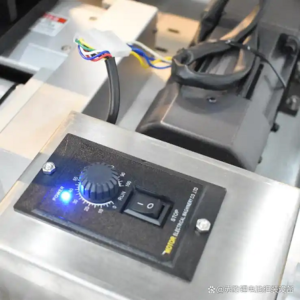
Conclusion
For lithium battery manufacturers, welding quality is the “lifeline” of battery product quality. Understanding the working principles of lithium battery welding machines and mastering scientific quality control methods are essential to protecting that lifeline.
The core concept of lithium battery welding machines is “precise energy control with low-temperature cell protection.” Whether using ultrasonic welding or laser welding, manufacturers can effectively prevent issues such as weak welding, false welding, and inconsistent internal resistance by properly controlling welding parameters, ensuring surface cleanliness, selecting suitable equipment, and carrying out standardized maintenance procedures. These measures can significantly reduce rework rates and production losses.
As competition in cylindrical lithium battery assembly becomes increasingly intense, welding quality directly determines product competitiveness. Choosing the right lithium battery welding machine, fully understanding its working principles, and implementing comprehensive quality control throughout the production process can make lithium battery welding more stable and efficient, reduce manufacturing costs, and produce higher-quality lithium battery products that remain competitive in the rapidly growing new energy industry.
